What to focus on
Tanzania is most coherent on the classic northern circuit. Serengeti, Ngorongoro, and Tarangire already deliver migration scale, crater scenery, and elephant-heavy plains without forcing the trip in too many directions.
Route logic
Six to eight days is the safest first plan for the north: one to two nights in Tarangire or Manyara, two to three nights in Serengeti, and one night near Ngorongoro. Add Zanzibar or Kilimanjaro only if they can sit in their own separate block.
Planning watchouts
Do not reduce Serengeti to a transit stop. Tanzania works when you protect deep game-viewing time, not when you turn the route into a checklist of park gates and internal drives.
Arusha
Arusha is the main base for northern safari and Kilimanjaro programs, usually used for briefings, logistics, and start-finish transitions.
Serengeti National Park
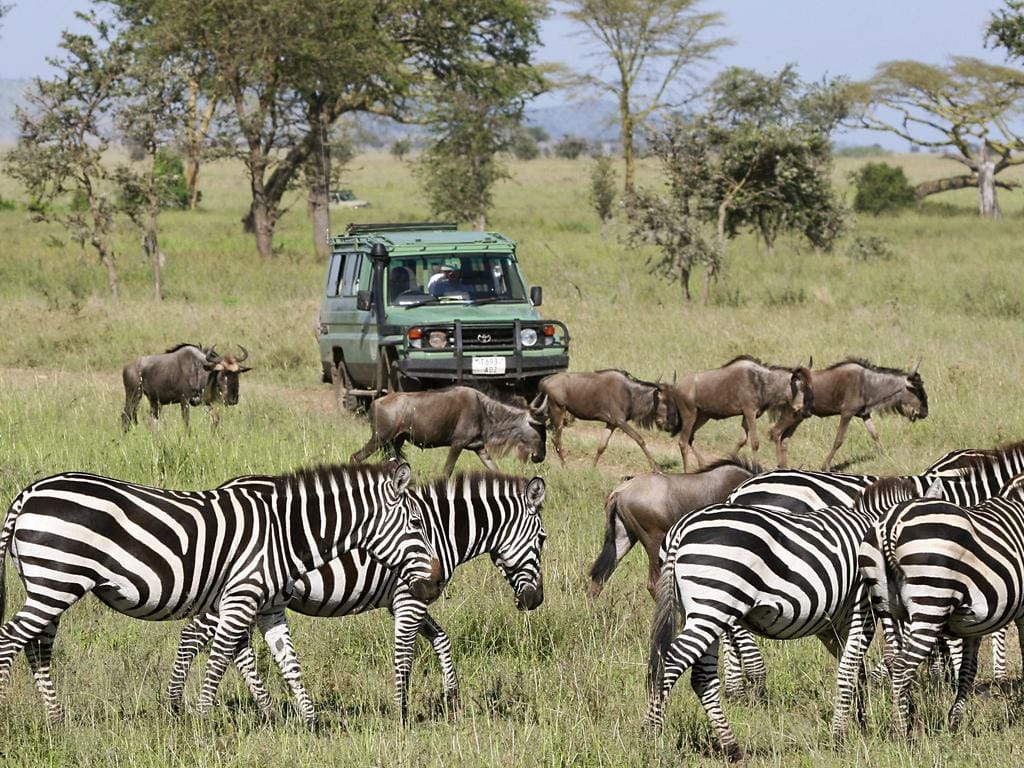
The core of a northern Tanzania safari, Serengeti is where migration movement, predator action, and multi-night game viewing come together.
Ngorongoro Crater
Its crater floor concentrates wildlife efficiently, making Ngorongoro a strong finale or transition stop on the northern circuit.
Lake Manyara National Park: Signature stop in Tanzania
Tarangire National Park
Known for baobabs, elephant herds, and dry-season river activity, Tarangire works especially well as an opening safari stop.
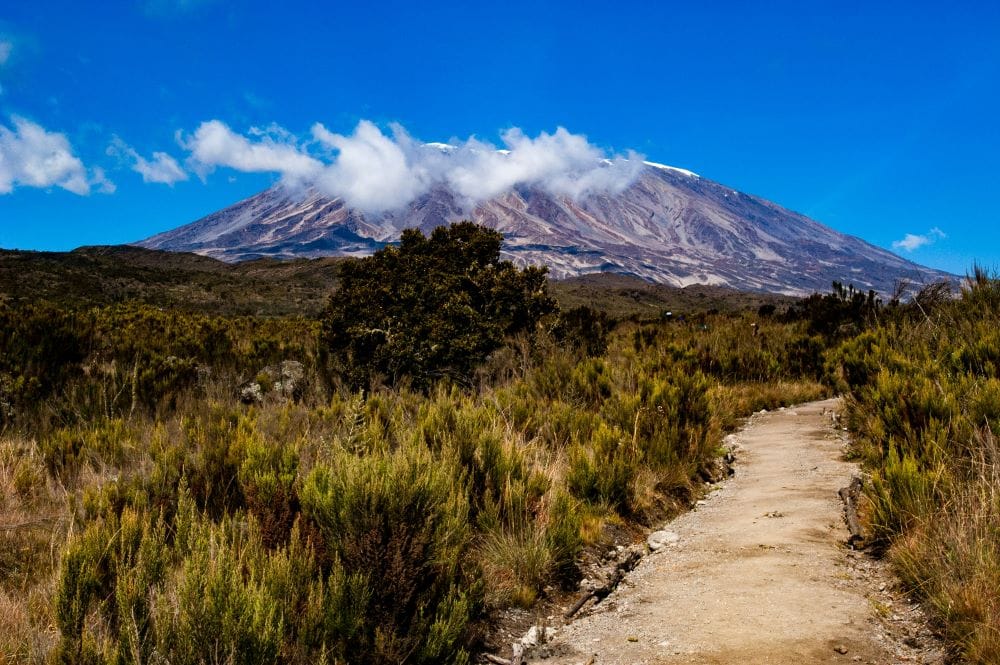
Kilimanjaro National Park: For trekking products, Kilimanjaro shapes the entire rhythm of acclimatization, logistics, and route difficulty.
Londorossi Gate
The standard western access gate for Lemosho and Shira routes, used for mountain formalities and the first rainforest approach.
Forest Camp
A first overnight camp in the western rainforest, used as the transition before Lemosho climbs higher onto the plateau.
Shira Camp
A general Shira Plateau camp reference, useful for the Machame route as it leaves rainforest and enters the moorland plateau.
Shira Camp 1
The first plateau camp after the western approach, commonly used on Lemosho and Shira routes.
Shira Camp 2
A later plateau camp used before pushing toward Lava Tower or Moir Hut for acclimatization.
Moir Hut
A higher, more remote acclimatization camp on Lemosho when the route diverts off the main trail.
Lava Tower
One of Kilimanjaro's classic acclimatization high points, often visited before descending to sleep lower.
Barranco Camp
A key camp below the Barranco Wall where several Kilimanjaro routes converge.
Karanga Camp
An important transition camp after Barranco, used for continued acclimatization before Barafu.
Barafu Camp
The exposed high camp before summit night, serving as the main launch point for the summit push.
Uhuru Peak
The highest point in Africa and the defining highlight of summit day on Kilimanjaro routes.
Mweka Camp
A standard descent camp after summit day, used to recover before exiting the mountain.
Mweka Gate
The common southern exit gate where many climbers complete formalities and collect certificates.
Marangu Gate
The standard entry gate for Marangu hikes and climbs, with the best-known access and registration flow.
Mandara Hut
A lower Marangu Route hut often used as the lunch or turnaround point on day hikes.
Maundi Crater
A common day-hike viewpoint on the Marangu Route with wide views over forest and alpine terrain.
Machame Gate
The standard trailhead for the Machame Route, where the southern rainforest ascent begins.
Machame Camp
The first main overnight camp on the Machame Route after the rainforest section.
Zanzibar Stone Town
Stone Town is a strong soft landing after safari, combining heritage streets, spice culture, and beach extensions.