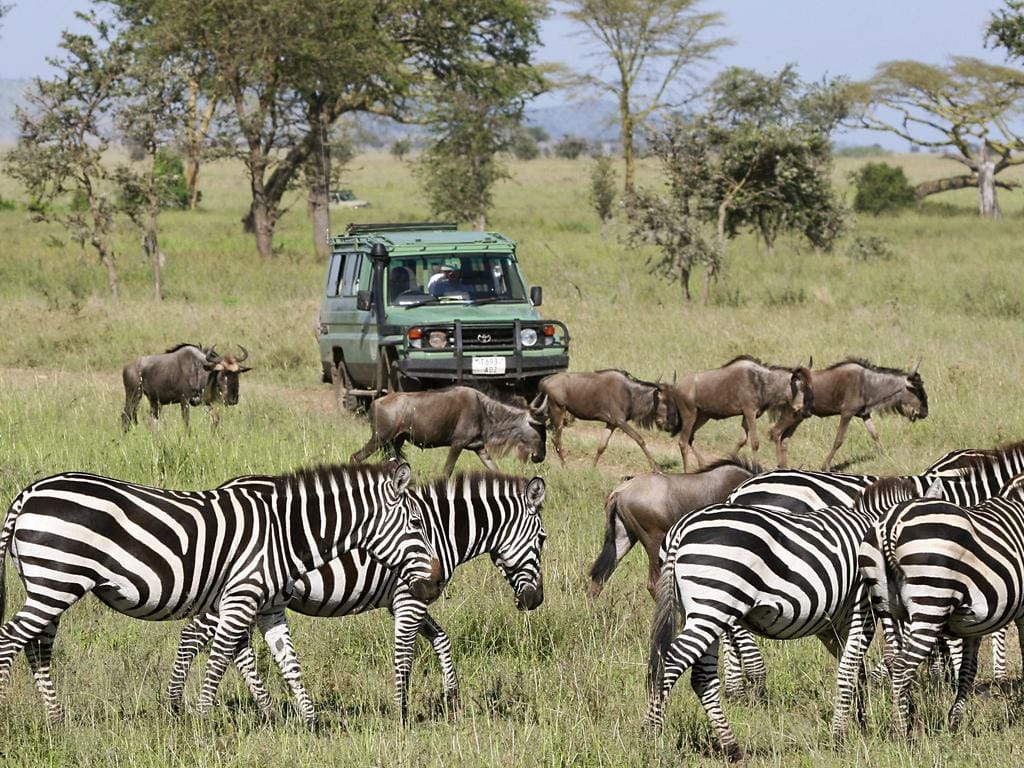
The practical answer to the best time to visit Kenya is to protect the route rhythm first, not to chase the longest possible stop list. For first-time travellers, the better plan is usually the one that keeps transfers realistic while still preserving the core experience.
In Kenya, the best choice is rarely determined by the raw number of highlights on a route. The bigger drivers are transfer efficiency, usable sightseeing time, lodge rhythm, fatigue, and availability during peak dates. Seasonal queries should answer the best time directly, then explain how wildlife patterns, road conditions, price swings, and availability change across the year.
The key constraints here are limited travel window. Start by checking whether the available days are enough, then test whether the budget still supports the right transport and stay standard, and only then decide how many add-ons the route can hold. Avoid the lazy 'all year round' answer. Tell the reader what to choose if their priority is sightings, photography, lower cost, or smoother travel conditions.
The common mistake is to stack famous stops without checking whether the journey still works on the ground. Travellers often squeeze too much into a short trip, force long drives where a flight would protect the experience, ignore arrival-night logistics, or compare prices without comparing actual time in the destination.
To turn the advice into a real trip, start from a route that already works and adjust around month, group mix, and comfort expectations. The closest live product right now is '7-Day Kenya Group Safari: Masai Mara, Nakuru, Naivasha & Amboseli'. The route length is 7 days. Typical group size runs around 1-12 travellers. Treat it as the baseline version, then adjust the pace, room standard, or stop mix around that core route. If the product is close but not exact, ask for changes around pace, room type, transfer style, and how much time should be kept for flagship stops versus softer buffer days.